
School Residence Program in Uttam Nagar
What Is a School Residence Program?
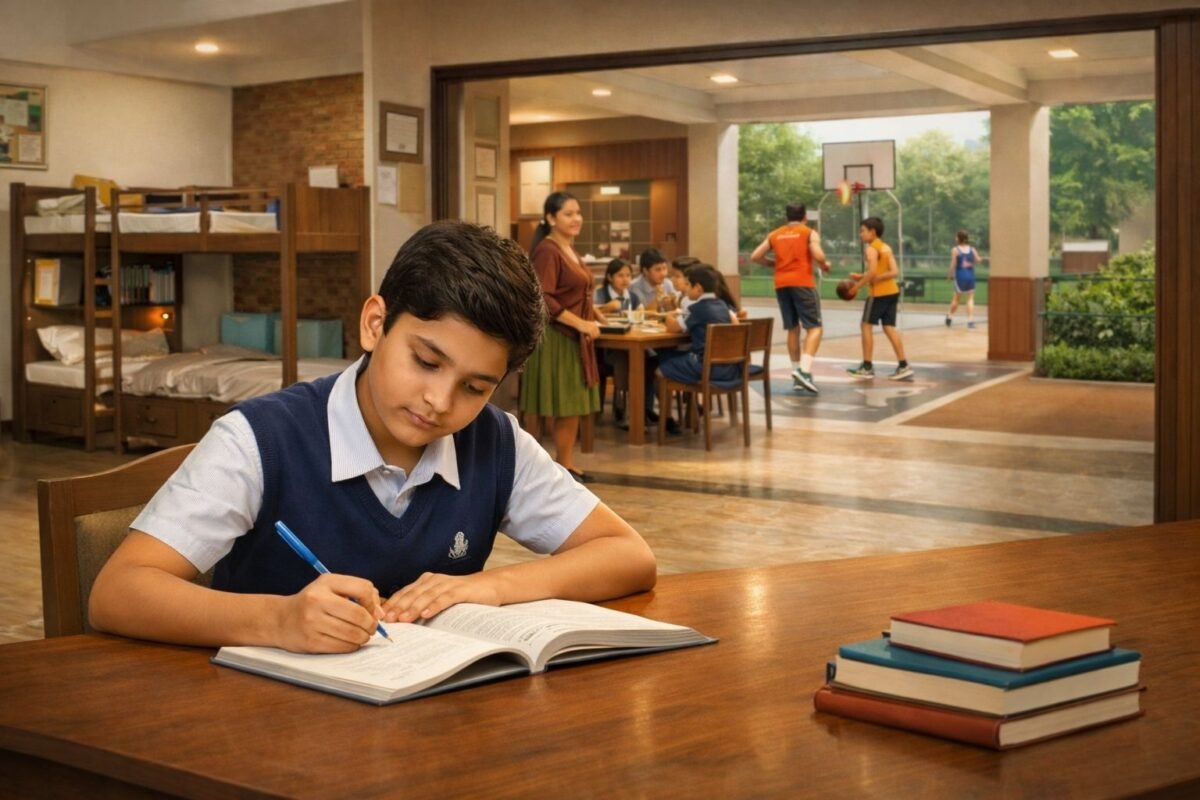
School residence program in Uttam Nagar supporting structured learning and student well-being
A School Residence Program allows students to live on the school campus while attending regular academic classes. It blends education with daily life under professional supervision.
Unlike day schools, residential schools manage:
- Accommodation
- Meals and hygiene
- Study schedules
- Recreation and discipline
The idea is simple: fewer distractions, better routines, and more time for meaningful learning.
Understanding the Residential School Program Model
A Residential school program focuses on complete child development. Schools following this model structure the entire day, from morning routines to evening study hours.
Key elements of the program include structured study schedules, supervised homework guided by teachers, regular participation in sports and creative activities, and continuous emotional and behavioral monitoring to support each child’s overall development.
According to UNESCO’s education framework, structured environments improve student focus and long-term academic outcomes when managed responsibly. This is why many parents prefer residential models, especially for growing children.
Boarding School Program vs Day School: A Practical Comparison
A Boarding school program offers something day schools cannot: consistency.
Common challenges addressed by the program include long travel times, irregular homework habits, and excessive screen exposure at home, all of which can negatively affect a child’s learning and routine.
Boarding schools reduce these issues by controlling the environment. Students eat, study, play, and rest on campus. Teachers track progress closely. That consistency builds discipline without turning school into a boot camp.
Think of it as learning with guardrails, not cages.
Why Parents Choose a School Boarding Program in Uttam Nagar
Uttam Nagar stands out because of its connectivity, growing educational infrastructure, and access to student support services.
A School boarding program in this area benefits from:
Key advantages of the location include excellent metro connectivity via the Blue Line, easy access to healthcare and therapy centres, and more affordable residential school options compared to central Delhi.
Parents working long hours find peace of mind knowing their children stay in a safe, supervised space.
The Role of a Residential Education Program in Child Development
A Residential education program supports academic learning along with emotional and social growth.
Children learn:
The program helps students develop essential life skills such as effective time management, strong peer collaboration, and a growing sense of responsibility and independence.
Research published by NCERT highlights that students in structured learning environments often develop stronger self-regulation skills. These skills matter more than memorizing answers for exams.
Residential schools also identify learning difficulties early. Many institutions collaborate with professionals offering a speech therapy centre in Hari Nagar, ensuring students receive timely intervention when required.
Life Inside a Boarding School Residence
A Boarding school residence is more than a dormitory. It functions like a second home, with rules.
Daily life typically includes:
- Early morning routines
- Supervised meals
- Study hours
- Sports and relaxation time
Wardens and teachers live nearby, which ensures discipline without emotional distance. Schools also maintain safety protocols aligned with CBSE and state education guidelines.
Yes, children miss home sometimes. That’s normal. But they also learn resilience, an underrated life skill.
Academic Support and Special Care Facilities
Modern residential schools no longer treat every child the same. They acknowledge learning differences.
Many schools guide parents toward trusted centers like Ekam Child Development Centre, which appears on Google My Business for easy location access. Such centers support children with speech, learning, and developmental needs while coordinating with schools.
This balanced approach ensures students do not feel “left behind” academically or socially.
Safety, Hygiene, and Discipline Standards
Safety remains a top concern for parents. Reputed schools follow:
The campus ensures student safety and well-being through CCTV monitoring, separate hostels for different age groups, trained wardens and caretakers, and regular health checkups.The Ministry of Education recommends child safety policies and grievance redressal systems for residential institutions. Schools in Uttam Nagar increasingly align with these norms to build trust.
Cleanliness also matters. After all, learning works better when students do not worry about basic comfort.
How Residential Schools Prepare Students for Real Life
A residential setup teaches lessons textbooks never cover:
Living in a shared environment helps students learn how to coexist with others, manage conflicts constructively, and follow daily routines independently without constant reminders.
Students gradually learn independence in a controlled environment. That balance helps them transition smoothly to higher education or professional life.
Add structured learning, emotional support, and exposure to services like Occupational Therapy in Hari Nagar, and the system becomes both academic and humane.
Choosing the Right School Residence Program in Uttam Nagar
Before enrolling, parents should:
When considering a residential program, it is important to visit the campus, review safety policies, inquire about academic results, and understand the available health and counseling support for students.
Avoid flashy promises. Look for transparency. Schools that openly share routines, staff credentials, and support systems usually operate with integrity.
School Residence Program: More Than a Place to Stay
Ekam Child Development Centre believes that a School Residence Program in Uttam Nagar can deliver a truly well-rounded educational experience when it is designed and run with care. Our approach blends structure, emotional support, and strong academic focus, all under one nurturing roof.
Residential schooling is not a replacement for parenting; it is a partnership that strengthens it. Children thrive when schools, parents, and support services work together, not out of obligation, but because the environment naturally encourages growth, confidence, and stability.
At Ekam, we value consistency over intensity. We understand that sometimes, the right place to learn is also the right place to live, where routines are balanced, care is constant, and every child feels supported.
Take the Next Step
📞 Call us today to learn more about our School Residence Program
📩 Contact Ekam Child Development Centre to schedule a consultation or visit our campus.